
Why Your Santa Rosa Patio Paint Fades Faster Than It Should
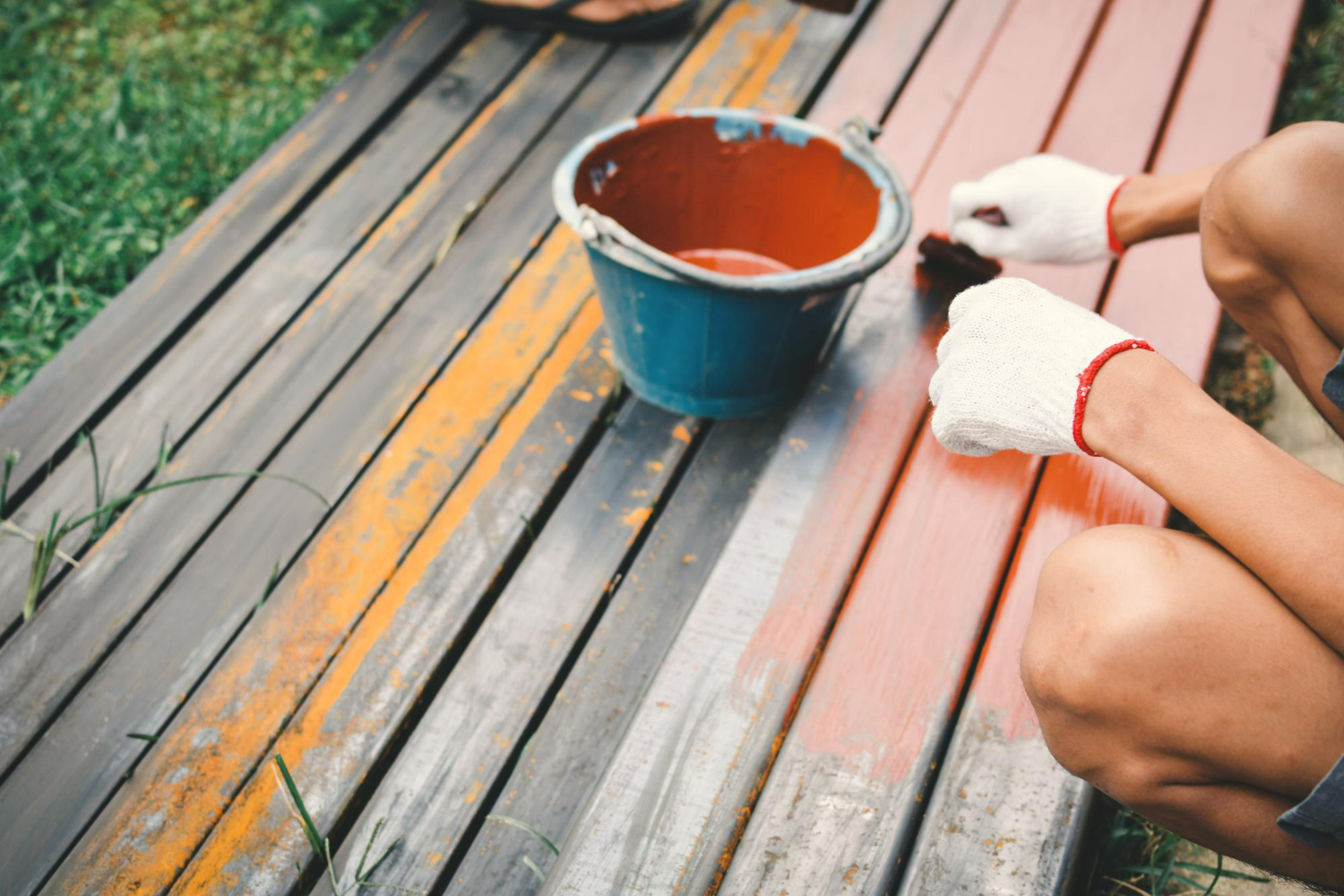
Fresh patio paint should stay bright longer than a season or two. When it starts looking dull, chalky, or blotchy after a short time, it is not just annoying, it makes your whole outdoor space feel tired and uncared for. Many Santa Rosa homeowners see this happen and think all patio paint is the same, or that fading is just the price of our weather.
Our North Bay microclimates tell a different story. Strong sun, cool nights, fog, and moisture shifts are tough on patio coatings, especially on concrete and high-traffic areas. As a local painting company, we see the same problems again and again, and most of them can be traced back to the wrong products, poor prep, or bad timing. In this article, we will walk through why patio paint fails here, how better choices can help it last, and what to think about before your next patio painting service.
How Santa Rosa Weather Beats up Patio Paint
Santa Rosa patios get a little bit of everything, often in the same week. That mix is rough on paint and coatings.
First, there is the sun. North Bay sun, especially from late spring through summer, is strong enough to break down paint over time. UV rays hit the surface every day and slowly damage the pigments and binders that hold the color.
Here is what that looks like on your patio surface:
- Color lightening on the sunniest spots
- Chalky, dusty residue on your fingers when you touch the paint
- Patchy fading where some areas get more direct light than others
Heat builds on concrete and pavers too. When those surfaces warm up, the paint film expands. When evening fog rolls in and the temperature drops, everything cools and contracts. That daily movement puts stress on the coating and can lead to hairline cracks, peeling edges, and weak spots.
Moisture makes things even tougher. In Santa Rosa, we see:
- Morning fog and heavy dew that sit on the surface
- Damp spots in shaded corners that stay wet longer
- Rain that seeps into tiny cracks, then dries out again
Those wet and dry cycles let water sneak under paint that was not bonded well. Over time, the coating lifts, flakes, and loses color faster. Wind does its part too. Dust, pollen, and debris get blown across your patio, and all that grit acts like fine sandpaper on the surface.
Common Patio Paint Mistakes That Shorten Its Life
Weather is only half the story. The other half is what goes down on your patio and how it is put there. A lot of fading and peeling starts long before the first brush stroke.
Using the wrong product is one of the biggest problems. Patios need coatings made for:
- Strong UV exposure
- Foot traffic and furniture movement
- Outdoor moisture and temperature swings
Interior paint, cheap exterior paint, or generic coatings do not hold up well on horizontal surfaces that get walked on and baked in the sun. They often fade fast, scuff easily, and peel where chairs and tables slide.
Skipping proper prep is another common mistake. If paint goes over:
- Dirt, dust, or old chalky paint
- Mildew or algae spots
- Glossy concrete that was never etched or sanded
it simply cannot grab the surface the way it should. The bond is weak, so water and heat work under the coating faster, and the finish breaks down ahead of schedule.
Surface type matters too. Concrete, pavers, and wood all behave differently.
- Concrete needs cleaning and often etching, plus a coating that can handle moisture coming up from below.
- Pavers may need special products that move with joints and resist wear right on the walk paths.
- Wood needs the right primer, or sometimes a stain instead of paint, to avoid peeling, cupping, and rapid color loss.
When you use the same product across all those surfaces, you usually see early wear on steps, around seating areas, and anywhere feet land most.
Why Professional Patio Painting Lasts Longer
Professional patio painting is not just about who holds the brush. It is about choosing the right system for your exact space and local conditions.
One key piece is expert product selection. Pros look at:
- How much sun the patio gets
- Whether the surface is concrete, wood, or pavers
- How often the space is used and how it is used
Then we match that to high-quality, UV-resistant coatings, sealers, stains, or even epoxy-style options meant for exterior use. The goal is to use products built for horizontal, outdoor, high-use areas in our kind of weather.
Thorough prep and application are just as important. A professional process often includes:
- Power washing to clear out dirt, chalk, and loose material
- Treating mildew or algae so it does not grow under the new coating
- Repairing cracks or damaged spots before coating
- Priming with the right product for the surface and paint type
- Applying the correct number of coats at the right thickness
Those steps help the coating bond deeply with the patio so color stays stronger and the film does not fail early.
Pros also create custom solutions for each patio. If you have full sun all day, we will likely recommend a different finish than for a shaded, covered area. For outdoor dining or grilling zones, slip resistance and stain resistance matter. For high-traffic paths, you might need a tougher coating or even an epoxy-style system that stands up to constant wear.
Perfect Spring Timing for Patio Painting in Santa Rosa
Picking the right season for your patio painting service can add years to your finish. Spring often gives us a sweet spot for exterior work in Santa Rosa.
Early in the season, temperatures are usually moderate, which helps new coatings cure at a steady rate. The sun is strong enough to dry paint well but not at the peak intensity of midsummer. That means less stress on the coating while it is still fresh.
Good timing is also about staying ahead of the weather. To help your new finish last, you want:
- Several dry days in a row
- No heavy fog sitting on fresh paint overnight
- Overnight lows that are not too cold for proper curing
Planning ahead in spring also lets your patio be ready before outdoor gatherings start to ramp up. When the coating has time to cure fully before lots of foot traffic, furniture moves, and hot grill days, it often holds its color and strength much better.
Give Your Patio a Finish That Actually Lasts
If your patio paint keeps fading or peeling early, it is usually a mix of harsh local weather, the wrong type of product, rushed or missing prep, and less-than-ideal timing. When those pieces are handled carefully, a painted or coated patio can stay bright, safe, and welcoming for much longer.
Take a slow walk around your patio and really look at it. Check for dull color, chalky dust on your fingers, peeling spots, slippery areas, or worn paths where you walk the most. If it looks tired, a professional patio painting service from a local team that understands North Bay conditions can make a real difference in how long your next finish lasts and how good it looks season after season.
Get Started With Your Project Today
Refresh your outdoor space with our expert patio painting service that is tailored to your home and lifestyle. At Lavish & Sons Painting Inc., we carefully prepare every surface and use quality materials so your patio looks great and lasts longer. If you are ready to upgrade your patio, reach out and let us walk you through options, timing, and a clear estimate. Have questions or want to schedule a visit? Simply contact us and we will follow up promptly.

Leave a Reply