
How Epoxy Floor Coating Performs in Cold Weather Projects
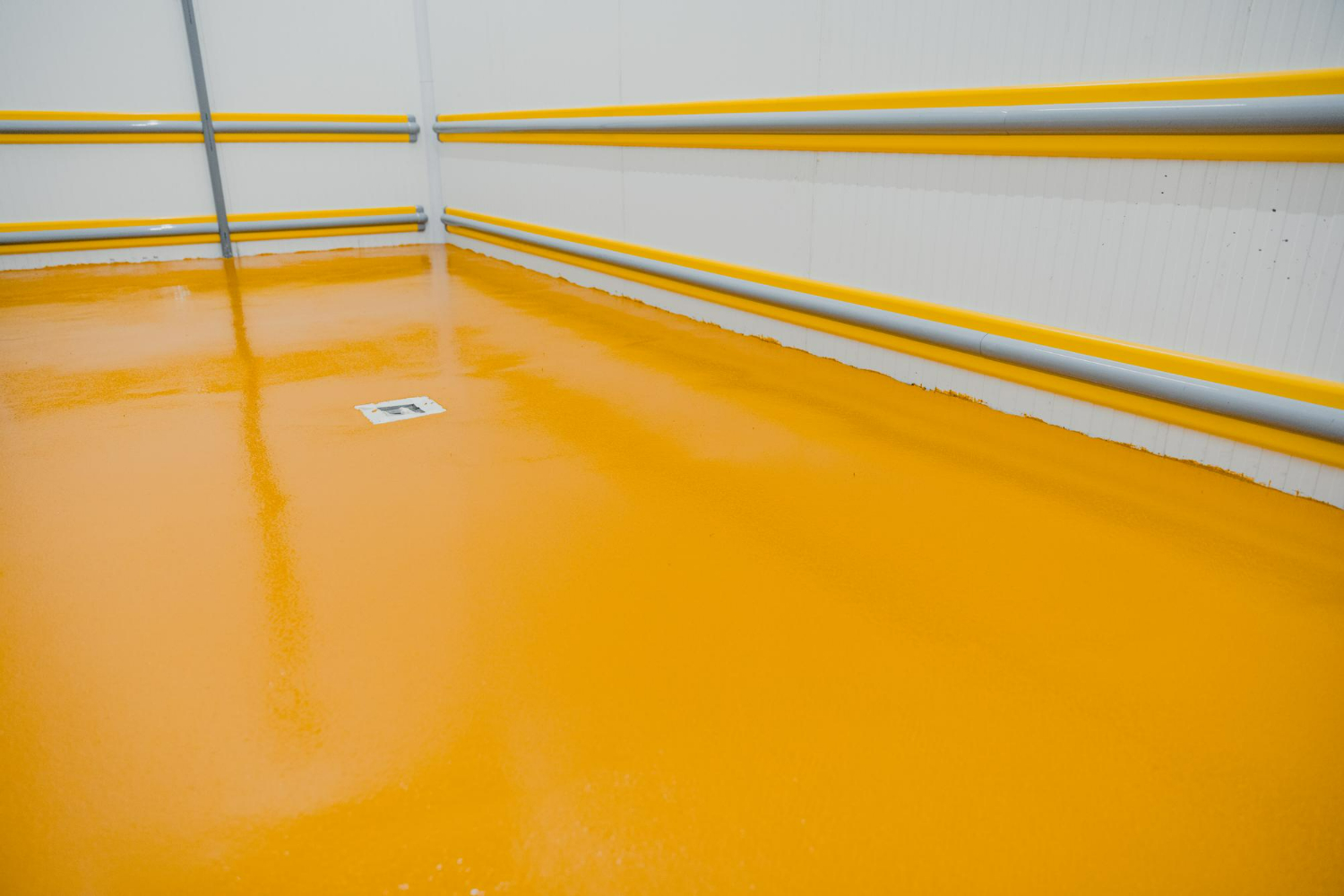
Cold weather brings a different set of challenges for epoxy floor coating, especially across Northern California. In places like Santa Rosa, Napa County, Sonoma County, and Marin County, winter temperatures and damp conditions don’t always play nice with curing schedules and surface bonding. Projects in these months require a different kind of prep. The materials behave differently, the schedule gets tighter, and success depends on doing things in the right order with the right professional support from the start.
It’s not just about whether epoxy can be used in cold weather. It’s about how each part of the process—surface temperature, moisture control, and product selection—needs more attention in winter. With floor coatings, timing always matters. But during winter, it can make or break the job.
How Temperature Impacts Epoxy Curing Times
Warmth and time are two key parts of how epoxy hardens. In colder months, those parts don’t always show up when you want them. If the temperature drops while the epoxy is setting, the chemical reaction slows down. That leads to long cure times. In some cases, the material may not bond properly to the surface at all, which leads to premature wear and flaws.
The air in a garage or warehouse might feel cool, but the concrete underneath can often be much colder. Surface temperature makes a big difference, sometimes even more than the overall air temp. That’s why skilled crews don’t just check the forecast. They monitor floor temps and schedule installs during the warmest hours of the day to give the product a better chance of bonding right.
For indoor spaces, we often recommend subtle heat boosts—not blasting hot air, but controlling warmth safely with systems that help epoxy cure evenly without creating temperature bubbles or surface haze.
Before applying product, it’s also important to start with a clean surface. Our team frequently uses pressure washing to remove buildup and contaminants that interfere with epoxy adhesion—an extra-critical step when cold air limits cure flexibility.
How Winter Moisture Affects Epoxy Bonding and Adhesion
Cold air holds less moisture, but that doesn’t mean things are dry. Winters in Northern California come with rain, and rain leads to condensation. Garage floors, basement slabs, or low-elevation commercial spaces may hold hidden pockets of dampness just below the surface. That creates a problem because even just a little hidden water can stop epoxy from sticking.
Moisture testing becomes much more important this time of year. We usually spend time checking not just the top of the surface but what’s underneath too. Water vapor rising from inside the slab can cause bubbling, cracking, or total coating failure if it’s not handled.
One way we work around this is by using moisture-tolerant primers or vapor-blocking coatings during prep. Paired with the right schedule and on-the-ground checks, it helps avoid winter surprises like peeling or unbonded patches days after the job wraps.
If you’re considering floor projects for retail, warehouse, or food service locations, the right epoxy formula and prep routine are essential under tough commercial conditions. This is especially important in high-traffic environments, where epoxy floor coatings used in commercial spaces need consistent bonding even during winter conditions.
Why Cold-Weather Epoxy Formulas Perform Differently
Not every epoxy performs the same when the temperature drops. Some formulas are made to work best between 70° and 85°F. Others can handle dips into the 40°s as long as the prep and timing are right. What makes the biggest difference isn’t just the brand—it’s choosing a cold-weather-rated product ahead of time and knowing how to use it well.
Standard epoxy systems often struggle in the cold. They harden unevenly, take much longer to cure, or quit bonding altogether. That’s why our winter projects lean on specialty formulations, often paired with additives that help shorten cure times or improve adhesion under tricky conditions.
The product choice has to match the job. A garage floor in Sebastopol with poor airflow and concrete that chills quickly at night might need a different formula than a cleaned-out workspace in downtown Santa Rosa. This is one of those areas where professional prep makes a big difference.
How to Prepare a Space for Epoxy Floor Coating in Winter
Homeowners don’t need to handle any surface prep or product application—that’s all on us. But there are a few things worth doing to help the job go smoother once we arrive.
- Remove cars, lawn tools, and storage bins from the space. It gives the team a clear view of what they’re working with.
- Clean out edge clutter like shelving that touches the ground or soft rugs that may have moisture trapped underneath.
- Plan for safe access. Let kids and pets stay away from the area during and after the coating goes down, especially while it’s curing.
- Make sure there’s a way to talk through the schedule and space needs. If someone’s working from home, or if access is tight through certain gates or entries, flag that before day one.
- Check with your painter about ventilation. We’ll usually handle this part, but it helps to know if doors open fully, heaters run on timers, or airflow is limited in a particular season.
When these small pieces get handled ahead of time, the whole job runs smoother.
Why Professional Planning Makes a Difference in Winter
Winter epoxy floor coating can turn out great when the planning is strong. That includes picking the right time of day to apply materials, checking both surface and air temperatures, and using products that are made to perform in colder settings. In places like Napa or Marin, where daily weather changes fast, we also build in flexibility on the work window to make sure timing lines up just right.
What makes or breaks a cold-weather coating job isn’t just the temperature. It’s the mix of timing, moisture control, and communication. With a bit of preparation on the homeowner’s end and the right winter strategies from professionals, epoxy projects stay on schedule and look just as sharp in December as they would in spring.
For local business owners, facilities managers, or warehouse teams, we also provide dedicated commercial painting services to enhance floors, industrial interiors, and more with materials built for high wear—even during the colder months.
By combining temperature-aware planning, the right materials, and early prep, we help avoid the common cold-season setbacks—delayed curing, peeling, or uneven bonding. In the end, it’s about doing the job once and getting results that last.
Planning a winter update for your garage, basement, or indoor workspace in Santa Rosa or the surrounding counties? Now’s a smart time to see how an epoxy floor coating holds up against colder temps, moisture, and shifting schedules. At Lavish & Sons Painting Inc., we plan winter epoxy floor projects around temperature, moisture, and product performance so floors cure correctly—even in cold conditions.