
How Cold Weather Affects Epoxy Floor Coating Application
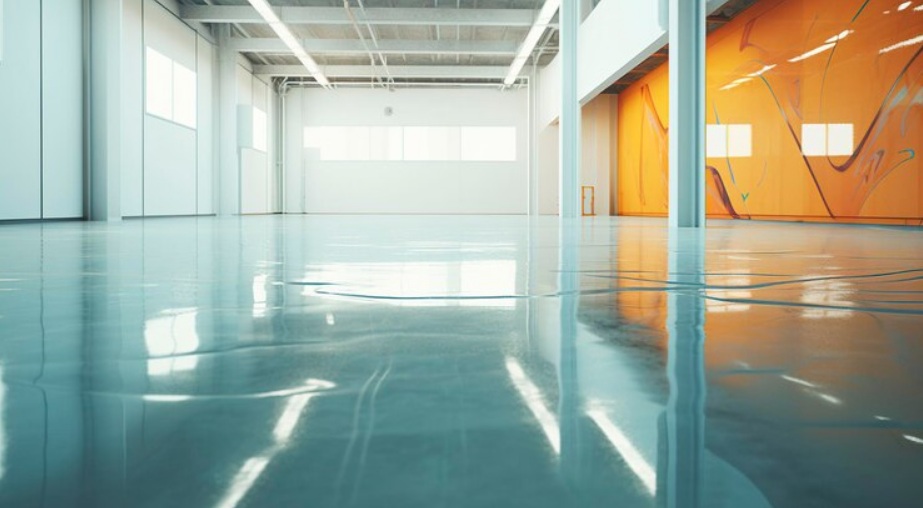
Epoxy floor coatings often get pushed to spring or summer. But there are good reasons to handle it in the colder months, especially here in Santa Rosa, Napa County, and across the North Bay. When applied the right way, epoxy coatings can stand up to winter wear, muddy shoes, parked cars, tracked-in water, and sudden temperature swings.
We get plenty of questions this time of year about whether epoxy floor coatings can be applied in winter. The short answer is yes, but it takes planning. Winter changes how epoxy cures, how surfaces need to be prepped, and when coating work can be scheduled. Here’s what makes cold-season epoxy floor coatings different and how we adjust the process to make sure the floors last.
How Cold Temperatures Affect Epoxy Coating Application
Epoxy needs warmth to bond properly. When the air or concrete is too cold, the product takes longer to cure. If it cures too slowly, it can leave soft spots, bubbles, or weak patches. That’s the kind of problem we want to stay ahead of.
Cold weather also invites moisture, and that becomes a bigger challenge than most people expect. During winter, concrete surfaces pull in condensation from rainy air or cold ground, which stops epoxy from sticking like it should. That’s why we bring in the right tools to check for moisture levels before anything is applied.
To get around these cold-weather issues:
- We use low-temp compatible epoxies that are made to cure in cooler air.
- When needed, we add heat safely to the space to help the floor reach the right temperature.
- We wait for the warmest day in the forecast rather than rushing it on a freezing one.
- Cold slows things down, but with the right setup, it doesn’t have to stop the job.
Choosing the Right Epoxy Products for Winter Use
There are dozens of epoxy types out there, but in winter, only a few work well. Some epoxies go soft in cold temps. Others take forever to harden. We avoid these by using high-solids blends that stick better, cure faster, and handle seasonal stress.
These products are made for surfaces that need to be strong against winter messes like chemical spills, wet boots, and salt from parking lots. That’s one reason we never use off-the-shelf kits or anything that’s not cold-rated.
Here’s what we look for when picking formulas for winter epoxy floor application:
- Cold-weather compatibility (products that cure well in 40°F to 55°F spaces)
- Fast recoat windows so the project doesn’t drag out over extra days
- Smooth application for spaces like garages and shops where looks matter
If your space gets lots of traffic or has wide temperature swings, choosing the right product upfront makes a lasting difference.
Prepping the Site in Winter Conditions
In cold months, prep is half the battle. Concrete stays colder than room air, so getting that surface just right before application is key. If it’s too cold or damp, the epoxy won’t bond, no matter how good the product is.
This is how we make sure conditions are right:
- Use heaters or fans to control airflow and keep air temps steady
- Do moisture testing on the slab to confirm it’s dry enough to coat
- Track incoming weather and schedule work around clear, dry days
Sometimes, we hold off on starting for a few hours until the floor temperature comes up. In other cases, we’ll shift hours to avoid early morning cold. Little changes like this add up and help make the final finish smoother and stronger.
Where Winter Epoxy Floors Work Best
Winter floor work makes the most sense in spaces that stay active year-round. Garages are an easy pick, especially when residents want a clean surface before the spring mess rolls in. Warehouses and commercial kitchens in places like Marin County and Sonoma County are another good fit since these facilities can’t take a break just because it’s January.
Other good spots for winter epoxy floors:
- Retail stores with slow customer traffic during winter months
- Storage rooms and unfinished basements in homes or office buildings
- Utility spaces that need grit-resistant floors before spring rains come
Many clients time their floor upgrades around their slowest season. That makes winter an ideal window and a smart way to avoid interrupting peak operations down the line.
Seasonal demand shifts often influence when maintenance projects are scheduled, including why businesses repaint storefronts after the holidays.
How Winter Epoxy Jobs Benefit from Professional Scheduling
Winter floor work doesn’t just need different tools, it calls for smarter scheduling. It’s not uncommon to see last-minute shifts with weather, delivery delays, or unexpected site access issues. That’s why planning and flexibility matter just as much as product choice.
When we manage epoxy floor jobs during the colder months, we:
- Use accurate short-term weather watching to pick the best days
- Book weekend or off-hour work windows during less active periods
- Fit projects into time slots that don’t compete with peak season demand
Commercial properties with multiple tenants or tight maintenance windows see a big benefit here. Having clear timelines and backup windows gives property managers peace of mind and helps us deliver consistent results.
Cold-Weather Planning Leads to Stronger Floors and Better Results
Applying epoxy floor coatings in January or February might sound tricky, but with the right prep, tools, and timing, these jobs can go just as smoothly as summer ones. The product still cures, the floors still bond, and the results still last when cold-weather variables are planned for.
We’ve found that the best results come from slowing down a little and not skipping corners on prep. Whether we’re using epoxy wall coatings or industrial-grade primers, doing things right the first time matters more than rushing the schedule. That’s especially true during winter months in Santa Rosa or Napa County.
Good planning, clear timelines, and the right materials make a bigger difference than the season. With the right approach, even the coldest job site can end up with a tough, smooth finish that holds up year after year.
Planning garage or utility upgrades this winter? It’s the perfect season to schedule your professional epoxy floor coating. Cooler temperatures across Santa Rosa, Sonoma County, and Marin County are no problem when every project is prepped with cold-weather-ready materials and custom timelines. We help refresh garages and protect high-traffic areas, so you can move forward confidently. Reach out to Lavish & Sons Painting Inc. today and secure your spot on our schedule.