
What Affects the Cost of Exterior House Painting in Santa Rosa, CA?
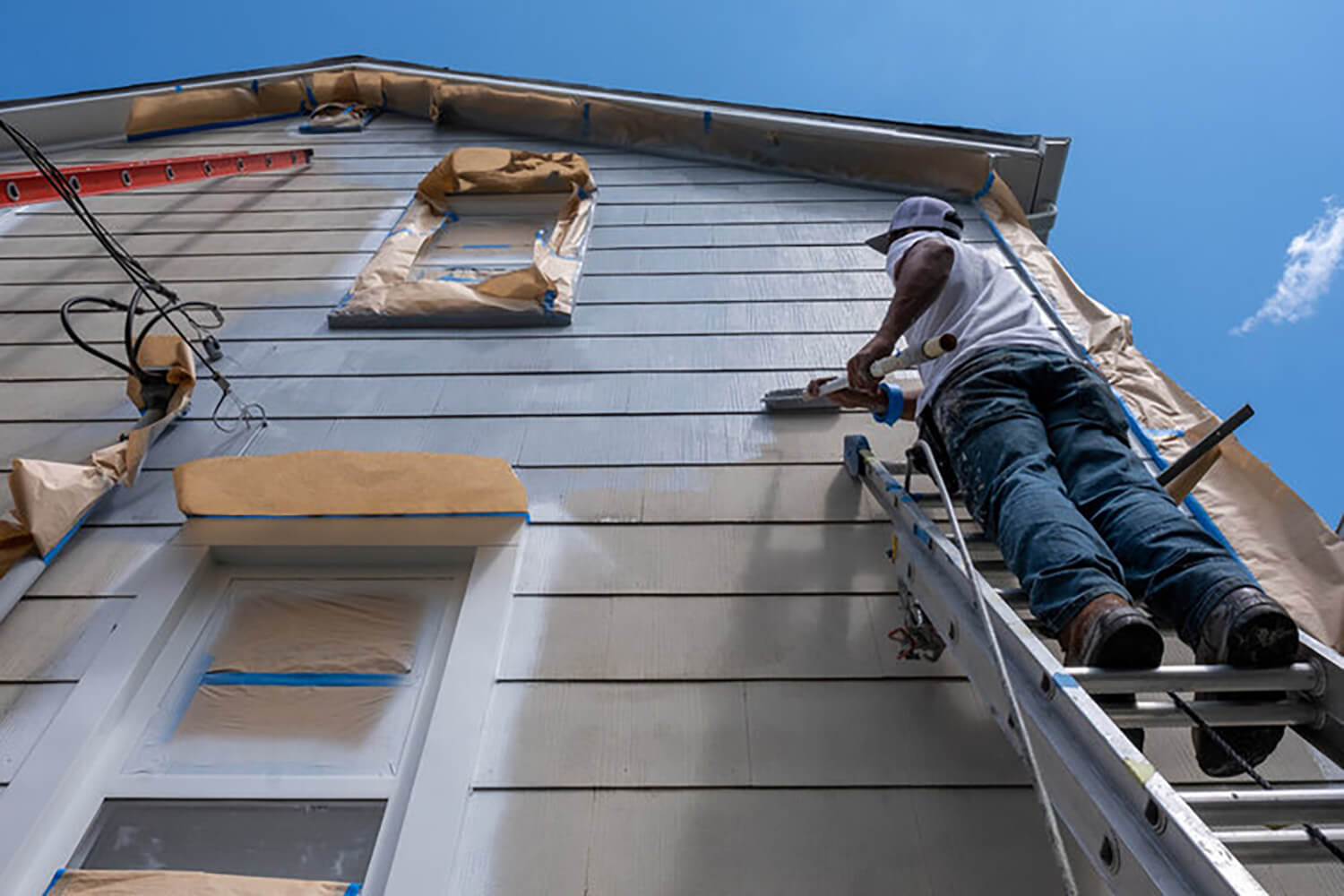
If you have started researching exterior painting costs, you have probably come across a wide range of numbers. A neighbor pays one amount. An online calculator gives you something completely different. A friend in another part of the Bay Area quotes a figure that does not match either one.
That range is not random. Exterior house painting costs vary because the variables that shape them vary. Understanding what those variables are helps you make sense of any estimate you receive and evaluate it against what your specific home actually requires.
Here is a clear look at what affects the cost of exterior painting and why the price is rarely the same from one home to the next.
The Factors That Shape Every Exterior Painting Estimate
A professional exterior painting estimate reflects the specific conditions of a specific home. Each factor below contributes to the final number independently. Some will have more weight on your project than others depending on your home’s size, age, condition, and site.
Home Size and Square Footage
Square footage is the most direct driver of cost. More surface area means more paint, more labor hours, and more time on site.
One thing worth understanding: painters measure paintable surface area, not the square footage of your living space. A two-story home and a single-story home can have identical floor plans but very different amounts of exterior surface to cover. Height multiplies the area.
Paintable area also includes more than just the siding:
- Trim and window casings
- Fascia and soffits
- Garage doors and exterior doors
- Architectural details and decorative elements
All of it factors into the total surface being priced.
Number of Stories and Site Accessibility
Height changes the complexity of an exterior paint job in a straightforward way. A two or three-story home requires taller ladders, scaffolding, or lifts to reach the upper sections safely. That equipment takes time to set up, reposition, and work from. It also requires more crew coordination than working at ground level.
Accessibility adds another layer on top of height. Two homes that are the same size and the same number of stories can still price differently based on what surrounds them. Factors that affect site accessibility include:
- Dense landscaping or mature trees close to the structure
- Sloped or uneven terrain around the perimeter
- Narrow side yards that limit equipment placement
- Decks, patios, or hardscaping that require extra protection
A home on a flat, open lot is faster and simpler to work around than one where every section of the perimeter presents a positioning challenge.
Siding Material and Condition
Not all siding is painted the same way. Different materials hold paint differently, absorb it at different rates, and require different preparation and application approaches. Common siding types and how they affect the job include:
- Wood siding is porous and often requires more primer and more coats to achieve even coverage. It also tends to show more wear over time and may need repairs before painting.
- Stucco has a textured surface that consumes more paint per square foot than a smooth material and takes longer to apply evenly.
- Fiber cement is one of the more forgiving materials to paint but still requires proper priming, particularly on cut edges.
- Vinyl requires specific products to adhere correctly and cannot simply be painted with whatever is on hand.
- Brick is rarely fully painted but when it is, the porosity of the material significantly increases paint consumption.
Condition adds to this. A home with siding in good shape is a different project than one with peeling paint, surface cracks, areas of rot, or previous coatings that are failing. Whatever condition the siding is in when the crew arrives shapes what has to happen before the first topcoat goes on.
Prep Work Required
Prep work is where a significant portion of professional exterior painting cost lives. It is also the step homeowners most often underestimate when they try to make sense of an estimate.
A professional exterior paint job does not start with opening a can of paint. It starts with a full preparation sequence that typically includes:
- Pressure washing the entire exterior
- Scraping loose or failing paint from all surfaces
- Sanding rough edges and transitions
- Filling cracks, gaps, and holes
- Caulking around windows, doors, and trim
- Priming bare wood and any areas where the existing coating has been removed
None of these steps are optional if the finish is expected to hold. A coat of paint applied over a surface that has not been properly cleaned, repaired, and primed will fail faster and look worse than one that was. Professional pressure washing is also something homeowners can schedule between paint projects to keep the exterior in better condition and reduce the prep burden when the next repaint comes around.
The condition of the home at the time of the project determines how much prep is required. A well-maintained home coming up on a routine repaint needs less prep than one that has gone through several weather cycles without attention or that has visible surface failures. More prep means more labor hours and more materials before a single topcoat is applied.
Paint Quality and Number of Coats
Paint is not a commodity, and the product used in a professional estimate matters.
Professional-grade exterior paints differ from builder-grade products in several meaningful ways:
- Higher pigment load produces better coverage and color depth
- Better binder quality improves adhesion and flexibility as the surface expands and contracts with temperature
- Superior UV resistance slows color fading in direct sun exposure
- Better moisture resistance protects the substrate in wet conditions
A higher-quality product costs more per gallon. It also typically covers more area per gallon, holds its color longer, and extends the time before the home needs to be repainted again. The upfront cost is higher. The long-term cost is often lower. For homeowners in Santa Rosa, a higher-quality exterior finish also has a direct effect on what the home is worth when it comes time to sell.
The number of coats required adds to both material and labor cost. One coat is rarely sufficient for a complete exterior repaint. Two coats is standard. A significant color change, a surface with a lot of variation, or an area where the existing coating has been removed entirely may require additional coverage to look right.
Labor
Labor is typically the largest single line item in an exterior painting estimate. It reflects the time, skill, and experience required to do the job correctly from start to finish.
Several variables affect the labor component of an estimate:
- Total surface area to be painted
- Complexity of the prep work required
- Site accessibility and height challenges
- Number of crew members needed to complete the project efficiently
- Total hours on site from setup through cleanup
A lower labor number is not automatically a better number. Prep steps that are skipped to reduce hours show up later in the form of peeling, bubbling, or early finish failure. The labor cost in a professional estimate reflects what the job actually requires to be done right, not what can be cut to come in lower.
Why Exterior Painting Costs in Santa Rosa Vary From Home to Home
Consider two homes on the same street in Santa Rosa. Similar age, similar square footage, similar style. One comes back at one price. The other comes back at a notably different number.
Here is how that happens in practice.
The first home is single-story on a flat lot. The siding is fiber cement and in good condition. It was last painted five years ago and just needs a fresh coat. Prep is straightforward and the site is easy to work around.
The second home is two-story on a sloped lot with mature landscaping tight against the structure. The siding is original wood and has areas of peeling paint that need to be addressed before anything new goes on. The color change is significant.
Same neighborhood. Completely different projects. The variables that apply to each home are different, so the estimates are different.
This is the reason comparing quotes without context can be misleading. Two estimates for the same home can differ based on what each contractor is actually planning to do, what products they are using, and how much prep they have accounted for. Two estimates for different homes should differ because the homes are not the same project.
What to Expect When You Request an Estimate
A professional estimator assessing your home for an exterior paint job is not simply walking around with a tape measure. They are evaluating the full picture of what the project involves.
That typically includes:
- Walking the perimeter and assessing the condition of all siding surfaces
- Noting areas that need repair, caulking, or spot priming
- Evaluating site accessibility and what equipment the job will require
- Identifying the siding material and any application considerations it creates
- Estimating the prep work required based on what they see
This is why an in-person estimate produces a more accurate number than any online calculator or rough ballpark figure. The variables that have the most impact on price are the ones that can only be assessed by seeing the home.
Now that you understand what shapes the cost, you have the context to ask the right questions when you do request a quote. If you are ready to find out how these factors apply to your specific home, our team is happy to take a look and provide a free estimate. Get in touch today to schedule yours.