
How to Prepare Your Home for Interior Painting
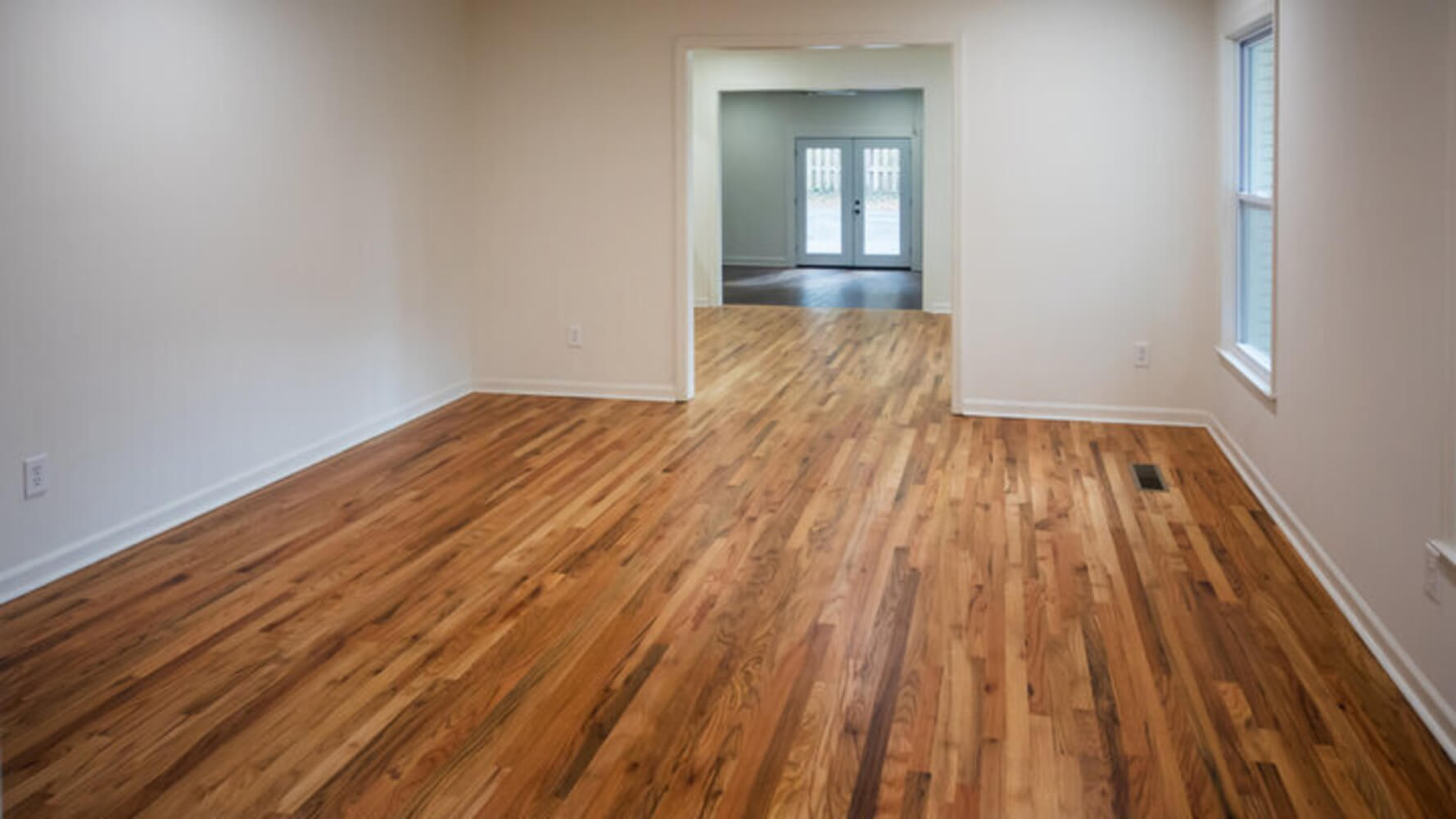
Knowing how to prepare your home for interior painting makes a real difference once the crew arrives. A little bit of prep on your end helps the project start on time, move quickly, and go smoothly from the first day to the last.
The good news is that preparing rooms for professional painters doesn’t take much. Most of what a painting project requires is handled by the crew, from moving furniture to protecting your floors to the surface work that comes before any paint goes on. Your job is a shorter list: clear the rooms, protect anything fragile, make the space easy to access, and have a quick conversation with the crew before day one.
This guide walks through exactly what to do before interior painting starts, in the order that makes the most sense, so you’re ready when the crew shows up and the project can move at its intended pace.
Clear the Rooms Being Painted
Before anything else, every room getting painted needs to be cleared of personal items and clutter. This gives the crew room to work efficiently from the moment they arrive.
This is the first and most impactful step you can take. It directly affects how quickly the project gets moving and how smoothly the first day goes. A room that’s ready to go the moment the crew walks in sets the tone for the rest of the project.
Remove Wall Hangings, Photos, and Personal Items
Take down everything hanging on the walls that are getting painted. That includes photos, artwork, mirrors, shelves, and any other wall-mounted decor.
Painters need bare walls to work across evenly. Leaving items up means extra time spent removing and rehanging things, time that could otherwise go toward the actual painting.
It’s not just the large pieces that matter here. Small items count too, like:
- Light switch covers
- Wall clocks
- Decorative hooks
- Small shelves or ledges
- Curtain rods and hardware, if the walls behind them are being painted
A room fully cleared of wall items lets the crew move through the space without pausing to work around obstacles. If you’re not sure whether something needs to come down, a good rule of thumb is to remove anything within reach of a roller or a ladder.
Clear Clutter to Give the Crew Room to Work
Clear floors and surfaces of loose items, small furniture, rugs, and anything that isn’t part of the room’s main furnishings. Painters need open floor space to safely set up ladders, drop cloths, and equipment.
This doesn’t mean you need to remove all the furniture. Larger pieces are something the crew handles as part of their own setup process.
A decluttered room reduces the chances of items getting in the way or being accidentally damaged during setup. A few minutes spent clearing small items now saves time once the crew arrives, and it means they can start prepping the room right away instead of working around boxes, toys, or loose belongings.
If a room doubles as storage, like a home office with filing boxes or a bedroom with seasonal bins, plan to move those items to a space that isn’t being painted rather than just pushing them into a corner. Anything left in the room still takes up floor space the crew needs.
Protect Fragile or Valuable Items Beyond the Basics
Some items call for more than basic clearing. Fragile decor, valuable art, sentimental pieces, and anything irreplaceable should be relocated entirely rather than just moved aside.
These items carry a level of risk or sentimental value that goes beyond what standard care during a painting project accounts for. This isn’t about a lack of trust in the crew. It’s about giving yourself extra peace of mind for the things that matter most.
A few examples of items worth relocating rather than simply covering:
- Family heirlooms or antiques
- Original artwork or framed photographs with sentimental value
- Musical instruments
- Electronics that are sensitive to dust or vibration
- Anything irreplaceable, regardless of its dollar value
Even careful, professional work can occasionally lead to accidents during a move, like a stray drip landing somewhere unexpected. If a valuable piece does end up with an unexpected mark on it, paint stains on different surfaces can often be treated safely if caught early, but relocating fragile or sentimental items ahead of time avoids that risk altogether.
Relocating these pieces ahead of time means one less thing to worry about once the project gets underway, and it lets you enjoy the process instead of watching over a single valuable item the whole time.
Make Each Room Accessible for the Crew
Make sure every room being painted is unlocked, reachable, and free of anything blocking the entry. Painters typically move through a home in stages, and any room that’s hard to access can slow down the whole project’s timeline.
This matters even more if you won’t be home during parts of the project. Settle access arrangements ahead of time, whether that means a lock box, an entry code, or simply confirming when someone will be present.
A few access details are easy to overlook but worth thinking through:
- Rooms on upper floors that require moving equipment up stairs
- Garages or basements being painted, which often need extra clearance for ladders and supplies
- Any interior doors that are typically kept locked, including home offices or guest rooms
- Gate codes or building access if you live in a community with restricted entry
Clear access from the start means the crew can move through the project on schedule without waiting on you or losing time to a locked door or a blocked hallway.
Communicate With Your Painting Crew Before They Arrive
A short conversation with your crew ahead of time helps the entire project run more smoothly for everyone in the household. Two things are worth raising in that conversation: how your household’s routines fit around the project, and anything unusual the crew should know about.
Plan Around Pets, Kids, and Household Routines
Let the crew know about any pets and children in the home. This helps everyone plan around nap schedules, pet containment, and safe pathways through the house.
Painting involves open doors, moving equipment, and wet surfaces. All of these are easier to manage safely when the crew knows what to expect ahead of time.
A few things worth mentioning to the crew before the first day:
- Whether pets will be home during the project and where they’ll be kept
- Nap times or quiet hours for young children
- Whether anyone in the household works from home and needs a quiet space
- Any household members with allergies or sensitivities to fresh paint smell
This doesn’t mean disrupting your normal routines entirely. It’s just a matter of coordinating around the parts of the day that overlap with the crew’s work. A quick conversation upfront prevents last-minute scrambling if a pet needs to move to another room or a bedroom needs to stay closed during a nap.
Flag Any Special Areas of Concern
Point out anything unusual before the crew starts. That might be a room that needs particular timing, an area with sensitive contents, or a surface with an existing issue.
Painters can plan around known concerns far more easily than they can react to them mid-project. For example, if you’ve noticed signs of water damage on a ceiling or wall, mentioning it ahead of time lets the crew inspect and address it properly rather than simply painting over it.
Other examples worth flagging include a room that needs to stay usable during certain hours, a closet or cabinet with items that shouldn’t be disturbed, or a wall with an existing crack or stain you’d like addressed as part of the project.
This doesn’t need to be a long list. Even one or two specific notes can prevent a miscommunication later on. Flagging concerns ahead of time avoids surprises for both you and the crew once work begins.
Know What Your Painting Crew Handles So You Don’t Have To
Professional painters handle moving and protecting larger furniture, taping off trim and edges, covering floors, and all surface prep, including patching, sanding, and priming. This is part of what you’re paying for, and taking on these tasks yourself isn’t necessary. In some cases, it can even work against the crew’s process.
It’s a common assumption that homeowners need to tape, cover, or patch things themselves before the crew arrives. That’s not the case. A professional crew’s prep work is also what prevents the kind of finish issues that show up later, like drips or roller marks on freshly painted walls, which is exactly why that part of the job is best left to the people trained to do it.
A few things you can expect the crew to take care of without any involvement from you:
- Moving furniture that’s too large to relocate yourself, and returning it once the room is finished
- Laying drop cloths and covering floors, countertops, and fixtures
- Taping off trim, windows, and any surfaces that aren’t being painted
- Patching holes, sanding rough spots, and priming as needed
- Cleaning up at the end of each day, including removing tape and drop cloths
Knowing what’s already covered means you can focus your energy on the steps above instead of trying to do the crew’s job for them, and it can help set realistic expectations if this is your first time working with a professional painting crew.
A Little Prep Goes a Long Way Toward a Smooth Paint Job
Clearing rooms, protecting valuables, and communicating with the crew make a meaningful difference in how efficiently the project goes. The more labor-intensive prep, like furniture moving, taping, and surface work, is never something you need to take on yourself.
With the space cleared and the crew informed, you’re ready for painting day without having done any unnecessary extra work. Following this checklist also means fewer surprises once the project is underway, which makes for a better experience on both sides.
If you’re preparing for an upcoming interior painting project, we’d be glad to talk through what to expect and schedule an estimate. Reach out to Lavish & Sons Painting Inc. and let’s get your home ready for a smooth, professional paint job from start to finish.

Leave a Reply